Arrival · Wellness
Aspen altitude and your first 48 hours
You sleep near 8,000 feet and ski up to 12,500. How to plan the first two days so the altitude doesn't take the first ski day with it.
You sleep near 8,000 feet and ski up to 12,500. How to plan the first two days so the altitude doesn't take the first ski day with it.
Aspen is at 7,908 feet, Snowmass Village a little higher, and the ski summits reach 12,510. The CDC puts altitude sickness at about one in four visitors who sleep above 8,000 feet at Colorado resorts. Most cases are mild and pass in a day or three. What makes the difference is how the first 48 hours are planned.
We plan a lot of first days in Aspen. This is the sequence we recommend for guests arriving from sea level, and what we watch for. It is practical guidance, not medical advice: if you have a heart or lung condition, are pregnant, or are travelling with an infant, talk to your doctor before the trip.
Paul Montiel · Aspen · Updated September 2026
Drink well in the days before. Have the house stocked with water, electrolytes and a light first dinner so nobody goes out on arrival night. If anyone in the group has had altitude trouble before, that is the moment to ask their doctor about preventive medication; the CDC describes acetazolamide for this, started the day before arrival.
Keep it light. A walk into town, an early dinner at the house, no hot tub marathons. The CDC advises avoiding alcohol for the first 48 hours at altitude; if that's unrealistic, keep it to one drink and match it with water.
This is when headaches and poor sleep show up. Oxygen in the bedroom helps many guests sleep and wake clearer; it is simple to have delivered before you arrive.
Choose a half day and a lower mountain: Buttermilk tops out at 9,900 feet, well below Snowmass or the Highland Bowl. Book lessons for the afternoon, not first chair. Have rentals fitted at the house the evening you arrive so the morning isn't spent in a shop.
Most people feel noticeably better. This is a sensible day for a full day, or Aspen Mountain. Leave the Highland Bowl hike and the Snowmass summit for day three or later.
Flying into Aspen puts you at 7,820 feet within hours of leaving sea level. Flying into Denver (5,434 feet) and driving up, or landing at Eagle (6,548 feet), gives the body a small head start, though a four-hour drive is not the same as a night at the lower elevation.
Aspen Valley Health suggests that guests coming from sea level who are worried about altitude spend a night in Denver or elsewhere on the Front Range first; around 24 hours helps. For families, a Denver night can also take the pressure off a late flight and the winter drive.
Confusion, stumbling or unusual drowsiness, or breathlessness at rest with a cough, can be signs of serious altitude illness (HACE or HAPE). These need immediate care: call 911 or go to Aspen Valley Hospital's emergency department at 401 Castle Creek Road. Going lower and getting oxygen are the first treatments; don't sleep it off.
Children are as susceptible as adults. In very young children, look for poor appetite, irritability and paleness rather than complaints of a headache.
The town is at 7,908 feet (about 2,410 m). Snowmass Village starts at about 8,100 feet, and the four ski mountains reach 9,900 (Buttermilk), 11,212 (Aspen Mountain), 12,392 (Highland Bowl) and 12,510 feet (Snowmass).
Many visitors feel something: a mild headache, poor sleep, shortness of breath on stairs. The CDC estimates about a quarter of visitors sleeping above 8,000 feet at Colorado resorts develop acute mountain sickness. It usually starts within 12 hours and clears within one to three days.
Supplemental oxygen is a standard treatment for altitude illness, and many guests use it at night for the first few days to sleep better. We can have it delivered to the residence before you arrive.
Acetazolamide (Diamox) is a prescription medicine the CDC describes for preventing altitude sickness, typically started the day before arrival. Whether it is right for you is a question for your doctor, ideally a few weeks before the trip.
The CDC advises avoiding alcohol for the first 48 hours at high altitude. Alcohol also worsens dehydration and sleep, which are already harder at altitude.
Most people feel much better after one to three days. Full acclimatization takes longer, which is why we keep the highest terrain for day three or later.
Tell us who is coming and when. We have oxygen, water and a light first dinner in the house before you land, rentals fitted the first evening, and a gentle first day on snow planned around how everyone feels.
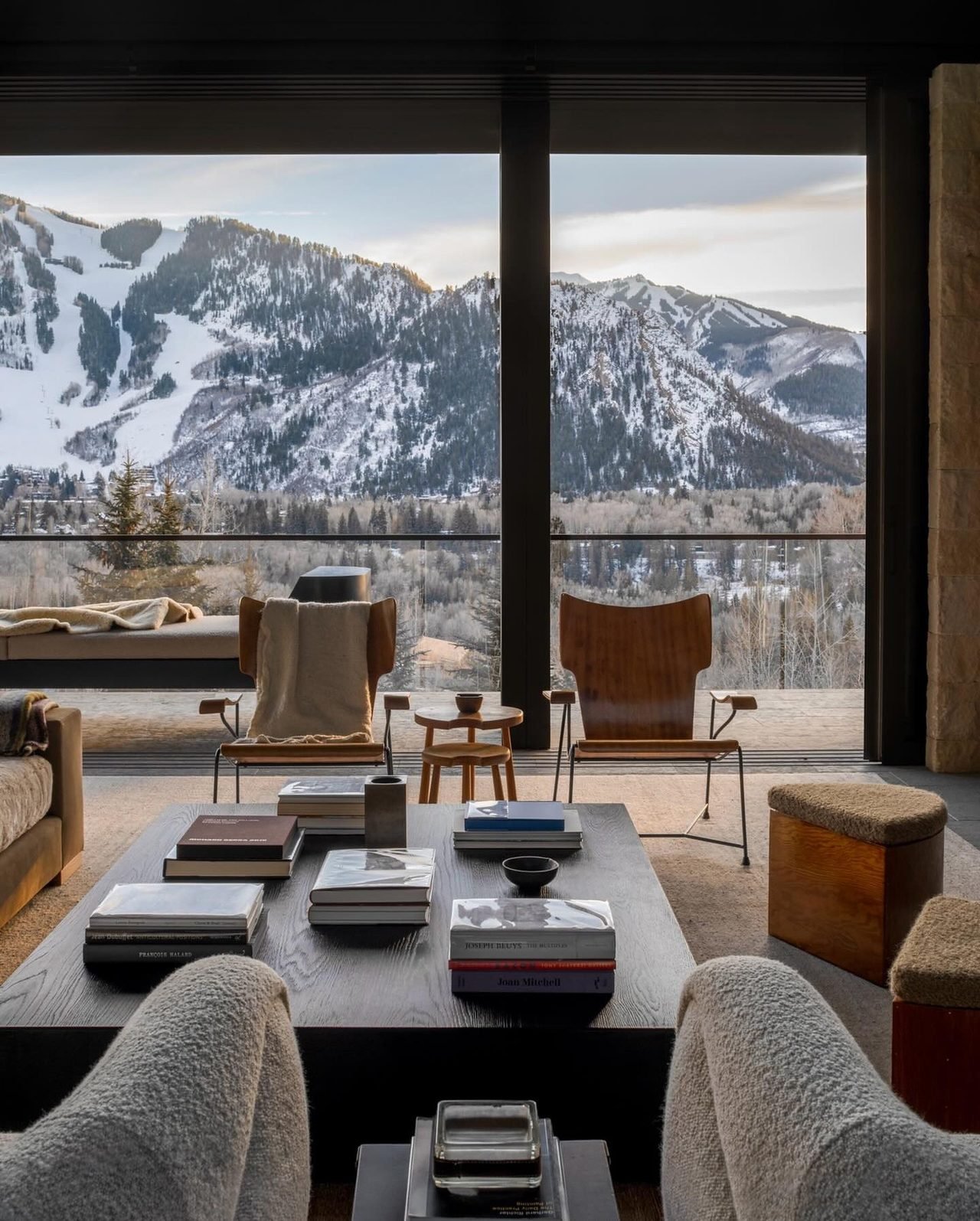
Delivered before arrival for the first nights at altitude.

The kitchen stocked to your list before you land.

Dinner at the house, menu agreed in advance.
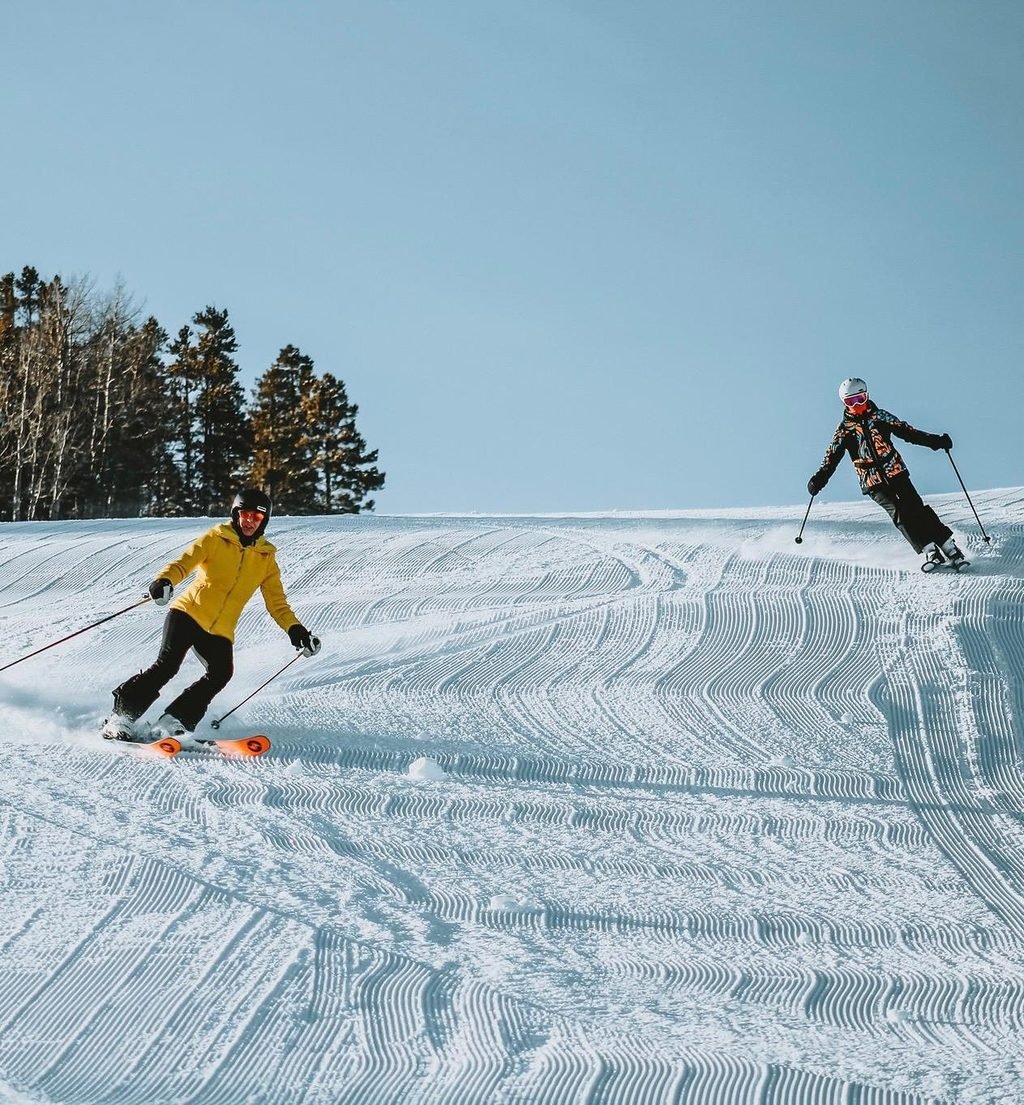
Fitted at the residence, not in a shop queue.
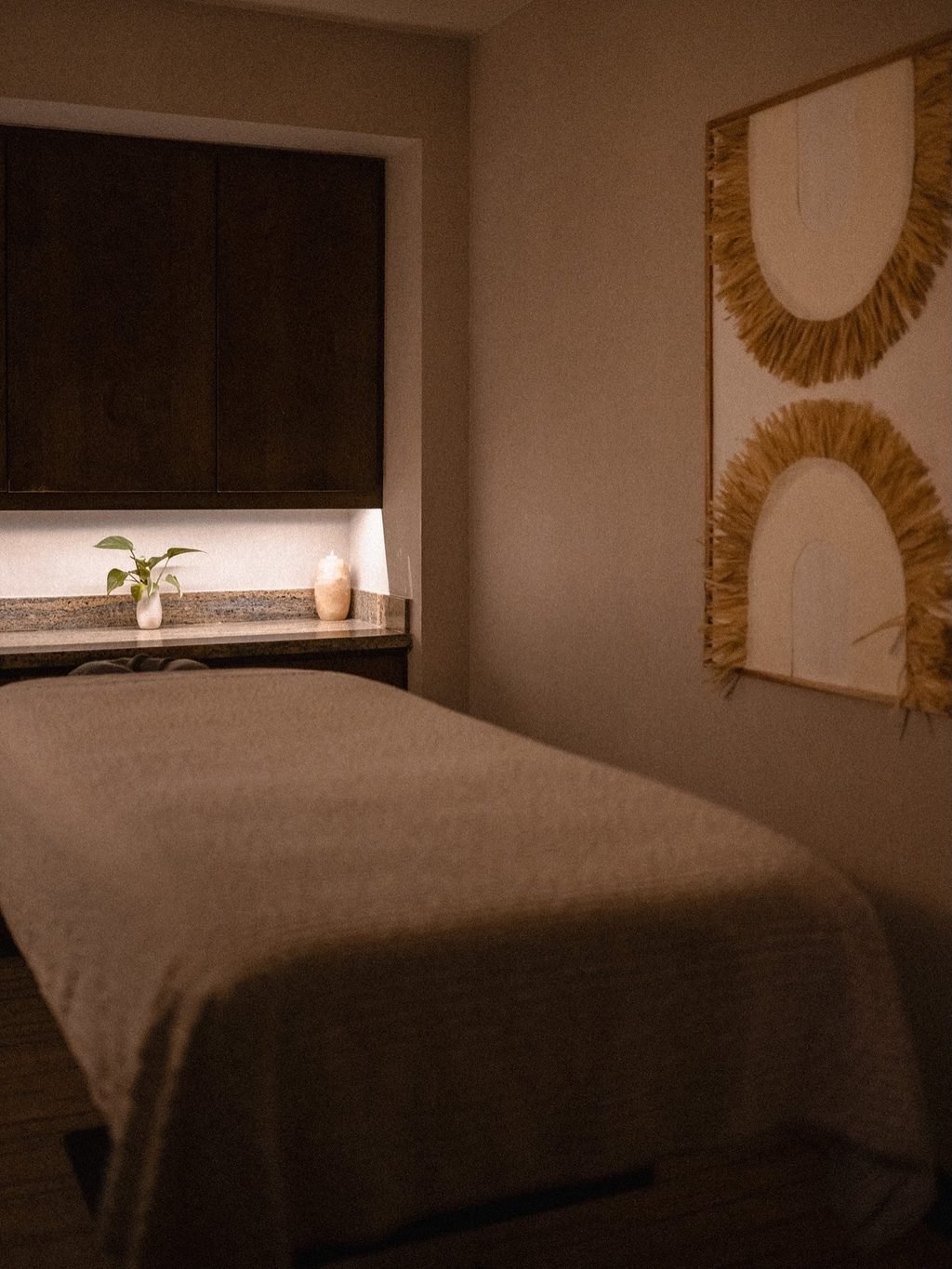
A therapist at the residence after travel or skiing.
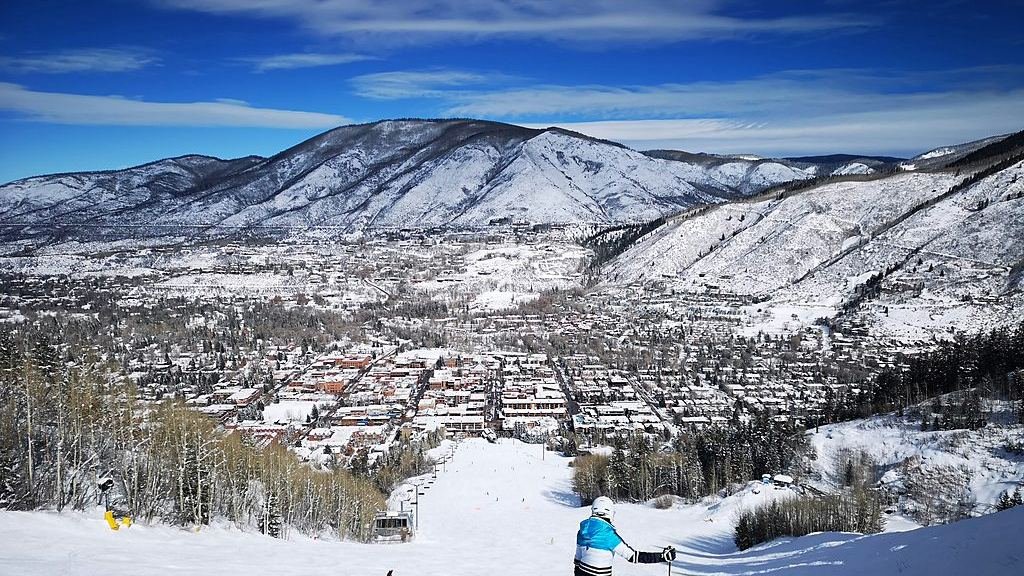
A private lesson matched to the skier and the mountain.
CDC Yellow Book 2026: High-Altitude Travel · Aspen Valley Health: altitude sickness · Aspen Valley Health: acclimatization guide · Aspen Snowmass: Highland Bowl — checked September 28, 2026.
Tell us who is travelling and how you're arriving. We'll set up the house and the first two days around the altitude.
Plan my first 48 hours