Planning · Climate
Aspen weather by month
Official averages for every month, and what they actually mean for skiing, packing and planning.
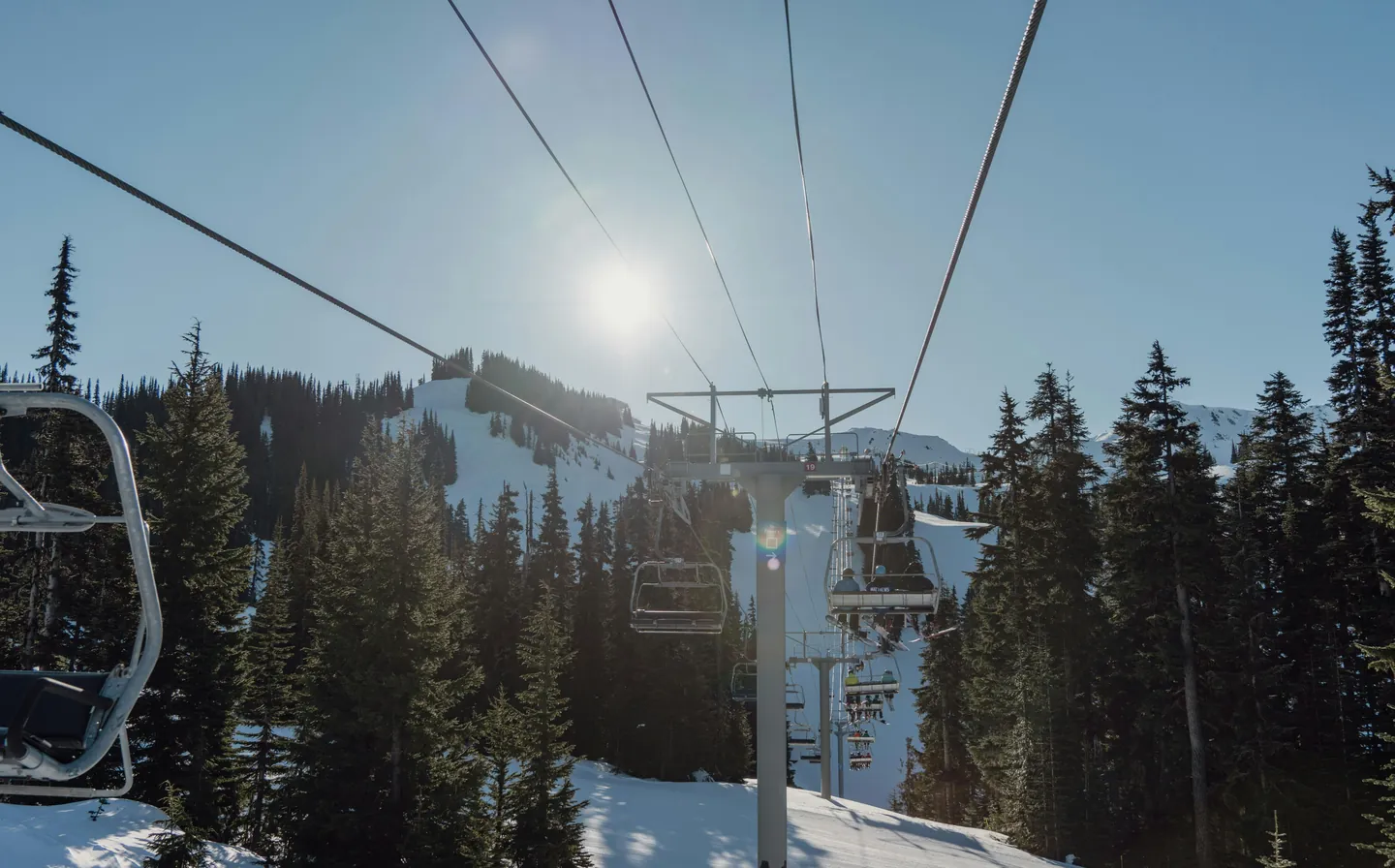
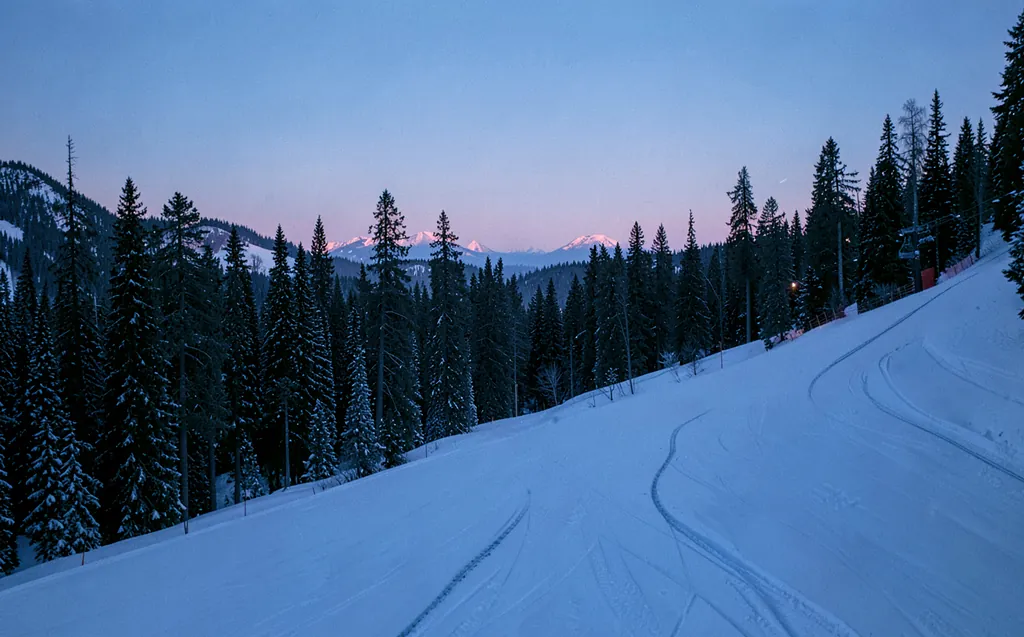
Photo: Andrew Jasso, CC0 · All credits
Official averages for every month, and what they actually mean for skiing, packing and planning.
Photo: Andrew Jasso, CC0 · All credits
By NOAA's 1991–2020 normals, Aspen averages 170.8 inches of snow a year. January highs are around 32°F with lows near 10°F; July reaches about 76°F by day and 48°F at night. December to March each bring over 26 inches of snow; June to August bring almost none.
Figures are NOAA's official monthly climate normals for the Aspen 1 SW station (USC00050372), 1991–2020, retrieved September 28, 2026. Normals are 30-year averages: any given week can be much colder, warmer or snowier.
Paul Montiel · Aspen · Updated November 2026
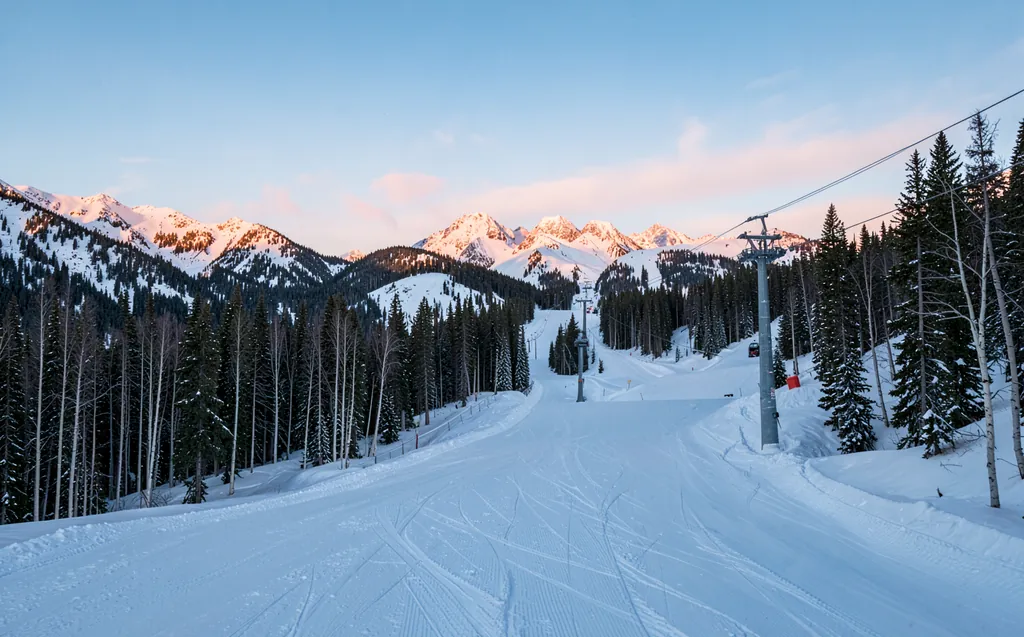
Two Novembers in one: a quiet shoulder month, then opening day on Thanksgiving and the first arrivals of the winter.
Aspen in NovemberThe month Aspen fills: quiet early weeks, Wintersköl's 75th, all four mountains open, then the busiest fortnight of the year.
Aspen in DecemberThe coldest, most reliable skiing of the year, with a quiet stretch after the holidays and two of Aspen's biggest weeks at the end.
Aspen in JanuaryAspen's snowiest month and its busiest event calendar: Valentine's weekend, Presidents' week, a music festival and a World Cup, back to back.
Aspen in FebruaryBig storms and bluebird days, spring-break families, Easter at the end of the month, and one date every late-season trip must plan around.
Aspen in MarchNOAA expects El Niño to persist through the winter, possibly at 'very strong' intensity, and its September outlook tilts most of Colorado toward above-normal precipitation. Specialist forecasters note that strong El Niño winters have historically favoured southern and eastern Colorado (the San Juans, near the Divide) more reliably than the central mountains around Aspen. It's a tilt of the odds, not a promise of snow: book for the dates that suit you, and choose flexible plans around the holidays.
We re-plan the day when it storms: a massage at the house instead of the pass, a table instead of the terrace. Plan your trip.
Single-digit mornings are normal from December to February. Layers, a warm hat and insulated boots for town; ski gear rated for cold.
Warm days but cool nights: a July evening drops to the high 40s. Bring a jacket, and rain gear for afternoon storms.
At nearly 8,000 feet the sun is strong year-round, and snow doubles it. Sunscreen and sunglasses in every season.
Usually in October: NOAA's 1991–2020 normals give Aspen about 10 inches of snow in October, 20.5 in November and 27.5 in December. September averages about an inch. The ski season opens on Thanksgiving Day, November 26, 2026.
February (28.3 inches), January (28.1) and December (27.5) are the snowiest months by NOAA's normals, with March close behind at 26.9.
About 170.8 inches a year at the Aspen 1 SW station, by NOAA's 1991–2020 normals. The ski mountains, higher up, receive more.
January and December: average highs around 32°F and lows around 10°F.
July: average highs around 76°F and lows around 48°F.
February, narrowly: 28.3 inches by NOAA's 1991–2020 normals, then January (28.1), December (27.5) and March (26.9). Together those four months bring about 111 inches of the town's 170.8.
Off-season: average highs of 60°F, lifts closed, snow melting in town; Independence Pass usually reopens just before Memorial Day.
We plan the stay around the season: rentals and warm layers sorted for winter, the car timed around storms, and days out that suit the month.
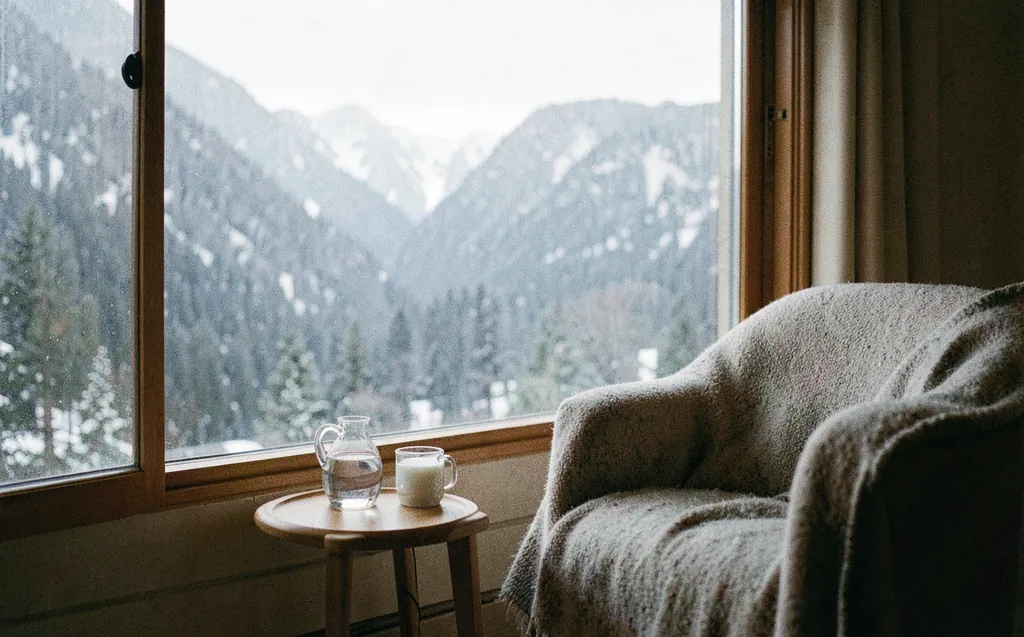
The altitude decides how the first two days feel, so we plan them around it. Wherever you are staying, water and a light first dinner are ready, oxygen is set up in the bedroom, and nothing is scheduled before a gentle first morning. By day two you're on the mountain feeling like yourself.
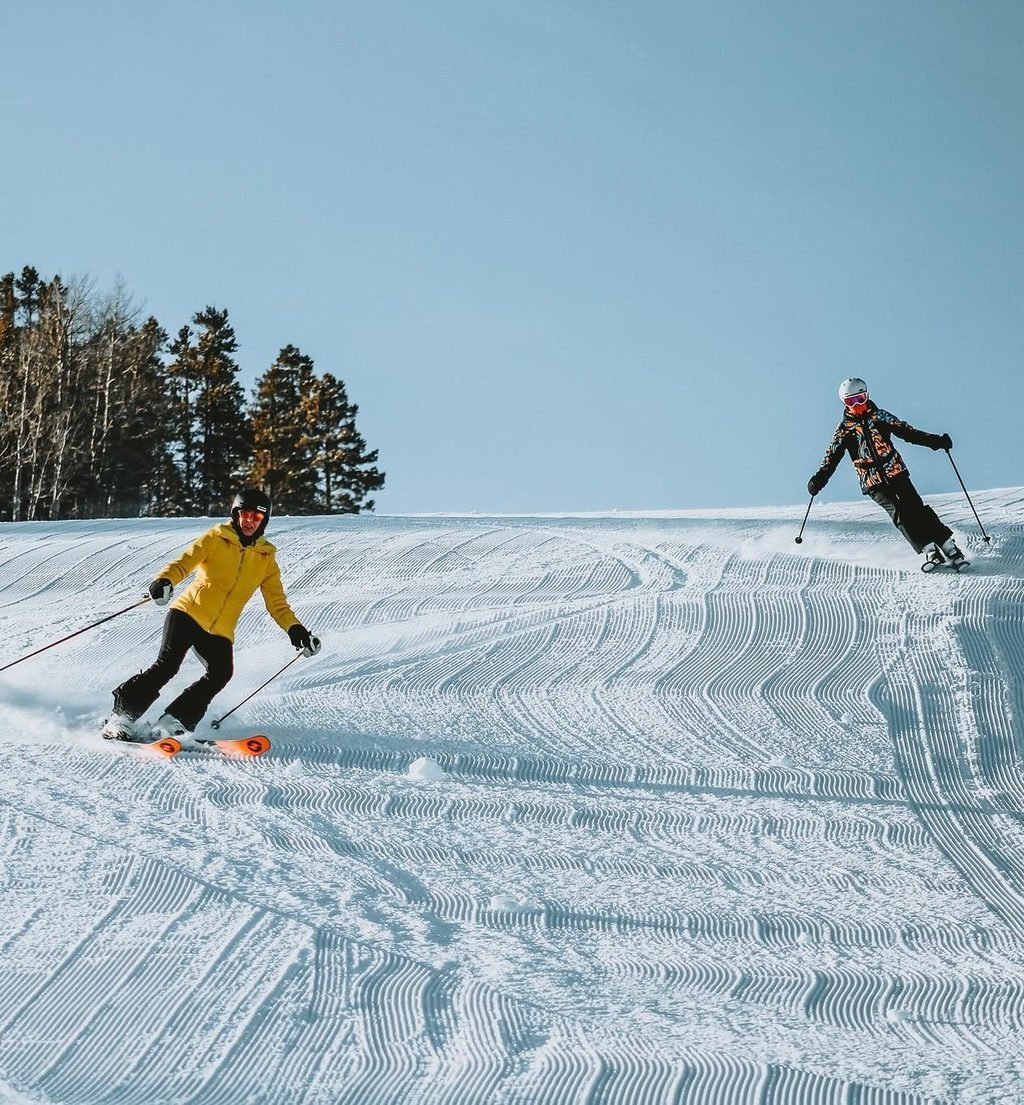
Everyone on the right mountain at 9:30 on the first morning, with no rental queue and no forgotten forms. Lessons booked a month ahead, skis fitted where you are staying the night before, and a massage for the parents while the children are in ski school.
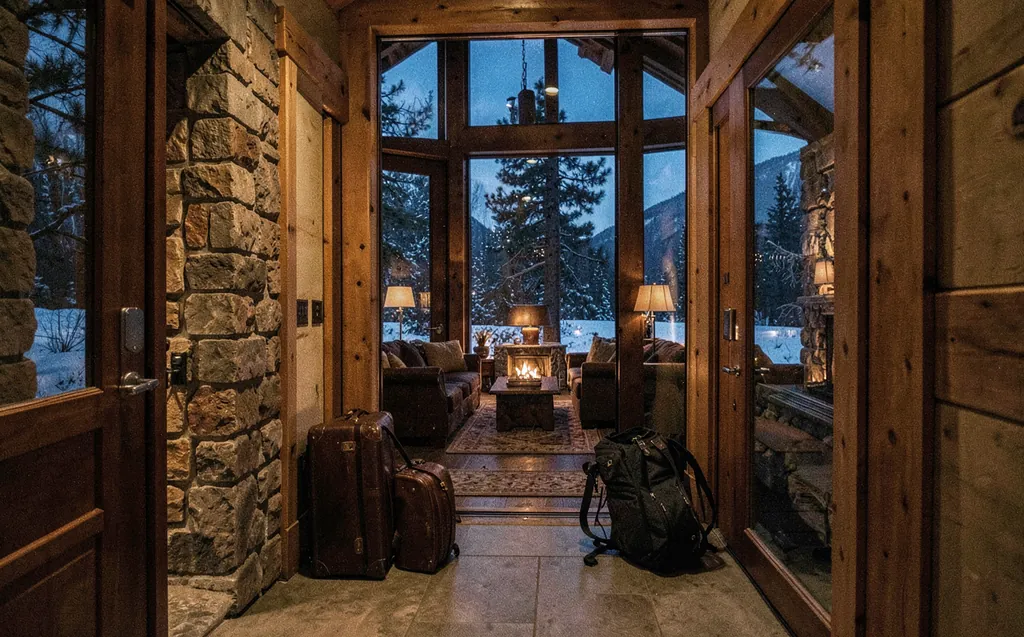
We watch the flight from the moment it leaves. If it's on time, a driver is waiting, and wherever you are staying knows you are on your way. If it diverts to Eagle or cancels, the car, the bags and the house all move with it, and you hear from us before you have to ask.
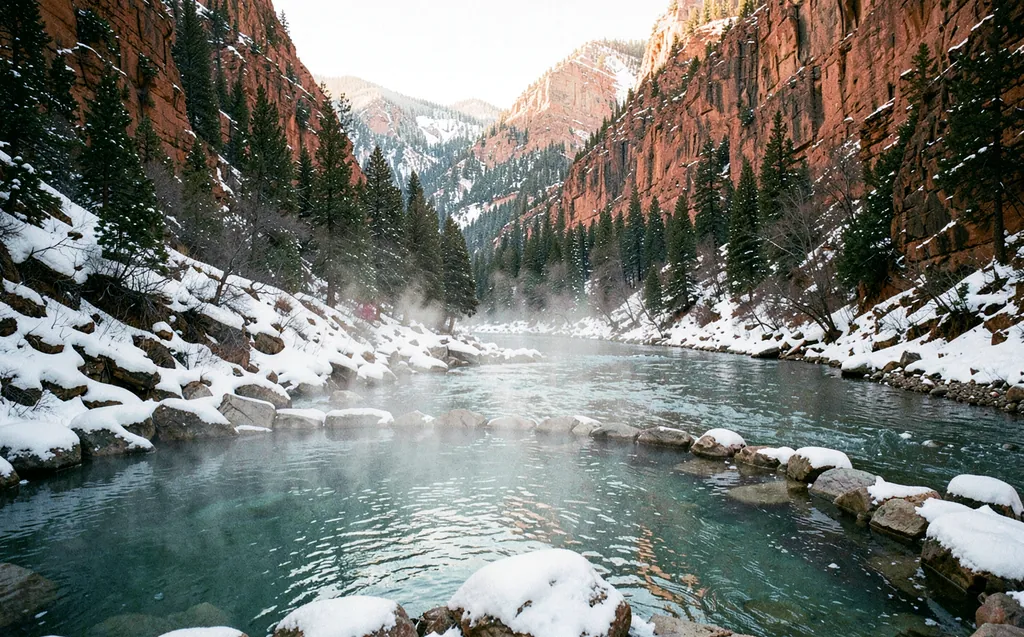
Leave your hotel or house mid-morning with nothing to carry. A private car takes you down the valley to the springs, with robes, towels and cold water waiting in the back. Soak for as long as you like, have a slow lunch in Glenwood, and come home to a massage and dinner at the house.
A short note at the start of each season: what the weeks ahead look like and what to book.
Written from Aspen by Paul Montiel. A few letters a season, only when something matters. Leave any time; we never share your address.Opening weeks, holidays and snow.
Deep winter, X Games, quieter slopes.
Peak snow and Presidents' week.
Spring skiing and long days.
What the outlooks say.
March and April in detail.
Winter and summer lists.
Sun and altitude.
Tell us what you want from the trip and we'll suggest the weeks that suit it.
Plan the trip